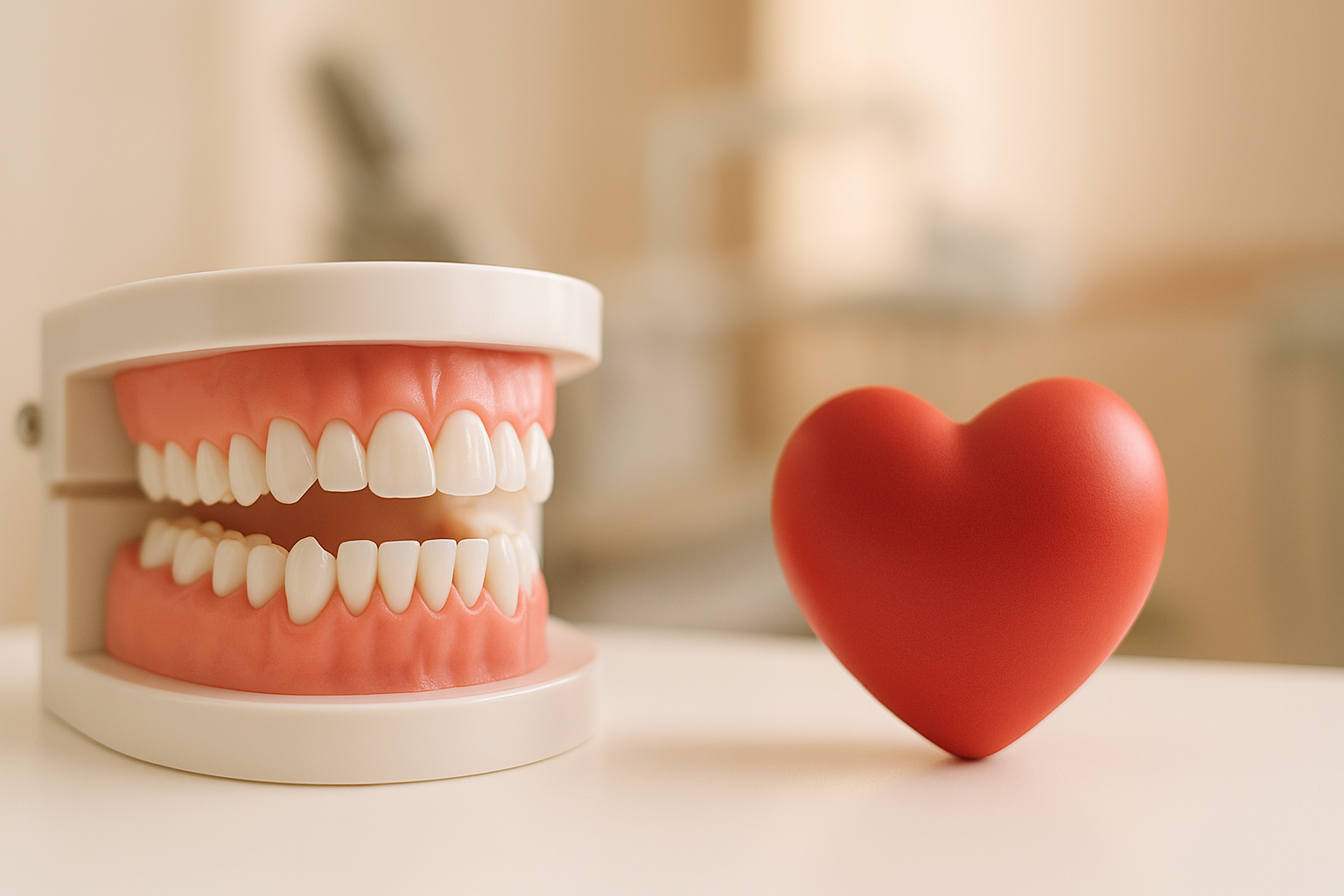
Does Gum Disease Lead to Heart Disease? The short answer: large studies show an association, but they don’t prove cause-and-effect. Shared risks like smoking, diabetes, and less regular dental care explain much of the overlap. Aim for a fresher, healthier-looking mouth while following GP-led steps that are proven for heart health. [1]
What is the real link between gum disease and heart disease?
Headlines often imply a straight line from unhealthy gums to heart problems. The science is more nuanced. Observational studies show people with poorer gum status are more likely to have cardiovascular conditions. That’s an association, not proof that one directly causes the other. [2]
Shared factors are a big part of the picture. Smoking, diabetes, high free-sugar intake, stress, and less frequent dental attendance all raise the likelihood of both oral and cardiovascular issues. UK guidance and professional bodies emphasise good oral hygiene as part of self-care while noting that heart-specific outcomes should still be managed through established medical pathways. See the NHS on gum disease for accessible guidance (NHS) and the ADA’s overview for broader context (ADA).
In my practice, the most reliable pattern I see is this: people with consistent plaque control tend to report a fresher mouth and healthier-looking gums, and they’re often the same people who stay on top of GP advice for blood pressure, activity, and diet. The overlap likely reflects shared habits more than a single cause linking mouth and heart.
96% of Dental Pro 7 customers reported visible improvement in gum appearance Source: 303 approved product reviews for Dental Pro 7 product line (2023–2025)
How could oral bacteria plausibly influence the heart and blood vessels?
Researchers have proposed several pathways, and they’re still being tested. One is simple access: gums that bleed when brushed can allow oral microbes and their by-products to enter the bloodstream for brief periods. That transient exposure may interact with vessel walls. It’s a possibility under investigation, not a settled mechanism. [3]
Another idea involves immune-system signalling. The body’s response to persistent dental plaque—particularly around the gumline—can include messenger molecules that circulate more widely. Scientists are exploring whether those signals have meaningful effects beyond the mouth. This is an active research area; conclusions remain cautious. [1]
What’s not controversial is the value of plaque control in the mouth itself. Reducing the biofilm load on teeth and along the gumline is a sensible, everyday step. Even as systemic links are clarified, the local benefits—cleaner teeth, fresher breath, and a more refined gumline appearance—are reason enough to prioritise the basics.
Is improving gum health proven to lower heart risk?
At this point, we lack large, long-term clinical trials demonstrating that oral-care improvements alone lower the rate of heart attacks or strokes. Expert consensus is straightforward: maintain excellent oral hygiene and regular dental care, and manage cardiovascular risk via proven medical strategies with your GP. Think both-and, not either-or. [2]
To help you weigh your options, here’s how common actions stack up for mouth freshness and appearance versus proven heart outcomes.
| Action | Fresher mouth and healthier-looking gums | Proven to reduce heart attacks/strokes? | Evidence type/notes | Who to consult |
|---|---|---|---|---|
| Twice-daily brushing + daily interdental cleaning | Yes: helps remove plaque for cleaner teeth, fresher breath, and a more defined gumline | Not directly proven | Strong dental evidence for plaque control; no cardiovascular endpoint trials | Dentist/hygienist for technique |
| Regular dental examinations and professional cleaning | Yes: supports a freshly polished feel and healthier-looking gums | Not directly proven | Observational links to better oral status; heart outcomes untested in RCTs | Dentist/hygienist |
| Alcohol-free antimicrobial mouthwash (short-term use) | Yes: can complement plaque control for a cleaner, fresher feel | No | Trials support plaque/freshness benefits; no heart endpoint evidence | Dentist for selection and timing |
| Professional-strength, lipid-based gum care concentrate | Yes: supports a freshly polished feel and fresher breath as part of daily care | No | Used as an adjunct; focus on appearance and freshness only | Dentist for routine fit |
| Stopping smoking | Yes: often improves oral environment and breath over time | Yes | Robust evidence for major heart-risk reduction | GP, NHS stop smoking services |
| Blood pressure, cholesterol, and diabetes control | May improve oral dryness/plaque indirectly | Yes | Guideline-backed; strong cardiovascular outcome data | GP/practice nurse |
| Regular physical activity and heart-friendly diet | Supports general wellbeing; can aid saliva flow and routine consistency | Yes | Consistent reductions in cardiovascular events | GP/dietitian as needed |
The practical takeaway: invest in excellent plaque control for a cleaner, fresher smile, and pursue the proven cardiovascular levers with your GP. They work together, serving different goals.
Who is most likely to have both gum problems and heart concerns?
Certain patterns commonly travel together. Smokers, people living with diabetes, and those with limited access to regular dental care tend to show higher rates of both gum issues and cardiovascular conditions. That shared backdrop makes it look as if one causes the other, when in reality both can stem from the same drivers.
Family history and age matter too. As we get older, gums can recede, and dexterity changes can affect how well we clean in tight spaces. Several common medicines (for example, some antihypertensives and antidepressants) may contribute to oral dryness, which can encourage plaque build-up and a stale taste.
If you recognise several of these factors, don’t be disheartened. It’s a strong cue to tighten your oral routine and make an appointment with your dentist for tailored coaching. Also, check in with your GP to optimise blood pressure, cholesterol, and diabetes care if relevant.
What day-to-day habits support healthier-looking gums and overall heart-friendly living?
You don’t need complicated gadgets to make meaningful progress. The basics, done consistently, deliver the biggest visible and sensory wins in the mouth while you follow proven medical steps for heart health.
- Brush twice daily with fluoride toothpaste for two minutes. Angle the bristles into the gumline. Electric brushes can help if dexterity is an issue.
- Clean between teeth daily with interdental brushes (first choice) or floss if spaces are too tight. This is where much of the missed plaque lives.
- Book regular dental examinations and professional cleaning as advised. Early coaching prevents small issues from escalating and keeps that freshly polished feel.
- Limit free sugars, especially in frequent snacks and drinks. Your enamel and your energy levels will thank you.
- Stay hydrated and consider sugar-free gum after meals to encourage saliva and a cleaner, fresher feel. A randomised trial suggests eucalyptus-extract gum can reduce oral malodour (PMID 20569170), and a companion study explored gum measures around the tooth (PMID 18672985).
- Work with your GP on smoking cessation, blood pressure, cholesterol, fitness, and diabetes control—the proven side of heart-risk management.
If you’re also considering a change of toothpaste for gum recession concerns, our guide may help: What Is the Best Toothpaste for Receding Gums, and How Do You Choose?
When should you see a dentist or GP about changes in your gums or breath?
Some changes are best checked sooner rather than later. A timely appointment can save you time and worry—while restoring that confidence-boosting just-cleaned feeling.
When to see a professional
- Book a dental appointment if you notice persistent bleeding on brushing, gum tenderness, new recession, persistent bad breath, or a wobbly tooth. These often reflect plaque build-up that needs personalised advice.
- See your GP urgently or seek emergency care for chest discomfort, sudden breathlessness, fainting, or pain spreading to the jaw or arm—follow national guidance for urgent heart warning signs.
As a rule of thumb, anything new that persists beyond a couple of weeks merits a professional opinion. Your dentist will focus on plaque control and gum appearance; your GP will guide you on cardiovascular checks and next steps.
Can mouthwashes or professional-strength gum care concentrates help with freshness while you improve your routine?
They can be useful add-ons—never the main event. Daily brushing and interdental cleaning do the heavy lifting. An alcohol-free mouthwash can complement mechanical plaque removal and offer a cleaner, fresher feel, especially after meals or before social occasions.
A professional-strength, lipid-based gum care concentrate such as Dental Pro 7 can be used as a supportive part of your routine. Many people like its 100% lipid potency and the way it helps neutralise odour-causing impurities for long-lasting fresh breath, with teeth and gums that look cleaner and more sculpted. Use as directed by your dentist; it’s an adjunct, not a substitute for dental care or GP-led heart prevention. [3]
If you’re prone to oral dryness, choose alcohol-free options and monitor how your mouth feels. The goal is a routine that you’ll actually stick to: simple, sustainable, and focused on plaque control, freshness, and a healthier-looking smile.
Frequently Asked Questions
Does bleeding when I brush mean I’m at higher risk of heart problems?
Bleeding on brushing usually points to plaque build-up along the gumline. Observational research links poor gum status with heart conditions, but this doesn’t prove one causes the other. Book a dental check for tailored advice, and manage heart risk with your GP through proven measures.
If I improve my gum care, will that lower my chance of a heart attack?
Stronger oral care improves breath and gum appearance, but we do not yet have large trials showing it alone reduces heart attacks. Think both-and: meticulous plaque control plus established heart prevention (smoking cessation, blood pressure, cholesterol, fitness, and diabetes management).
Are mouthwashes enough to manage gum problems linked with heart concerns?
No single rinse can replace daily plaque control. Mouthwashes and professional-strength concentrates can complement brushing and interdental cleaning for a cleaner, fresher feel, but they are not a substitute for dental care or GP-led cardiovascular prevention.
How do smoking and diabetes connect gum health and cardiovascular risk?
Both increase plaque challenges in the mouth and raise cardiovascular risk through well-established pathways. That overlap likely explains much of the observed link between gum problems and heart conditions. Stopping smoking and tight diabetes control are powerful, proven heart-health steps.
Can bad breath be related to heart issues or is it mainly an oral hygiene problem?
Persistent bad breath is usually oral—plaque, tongue coating, or dry mouth are common drivers. Rarely, systemic illness can alter breath odour. Start with dental assessment and improved cleaning; discuss any wider health changes with your GP.
What is the real link between gum disease and heart disease? A closing word
To cut through the hype: the data show an association, not proof of causation. That’s why the best strategy is a calm, two-track plan. For your mouth: consistent plaque control, interdental cleaning, and supportive applications for a fresher feel and a more refined gumline. For your heart: GP-guided steps with proven outcomes—stopping smoking, optimising blood pressure and cholesterol, staying active, and managing diabetes where relevant. It’s a practical combination that respects the science and fits real life.
| Metric | Finding | Source |
|---|---|---|
| Gum disease prevalence (US adults) | 47.2% | CDC, 2024 |
| Adults with severe periodontitis | 9.0% | CDC, 2024 |
| Link to systemic health | Established association | NEJM, 2017 |