Written by Marcus Holloway

Latest from the Journal
How Long Does It Take for Red Gums to Go Away?

How Long Does It Take for Red Gums to Go Away?

Red gums can settle in days if it’s a one-off irritation, or take a few weeks when plaque is the driver. The timeline depends on the cause and how consistently you clean along the gumline. Here’s a clear roadmap, from at‑home steps to professional care.
How to Soothe Sore Gums at Home, Step by Step?

How to Soothe Sore Gums at Home, Step by Step?

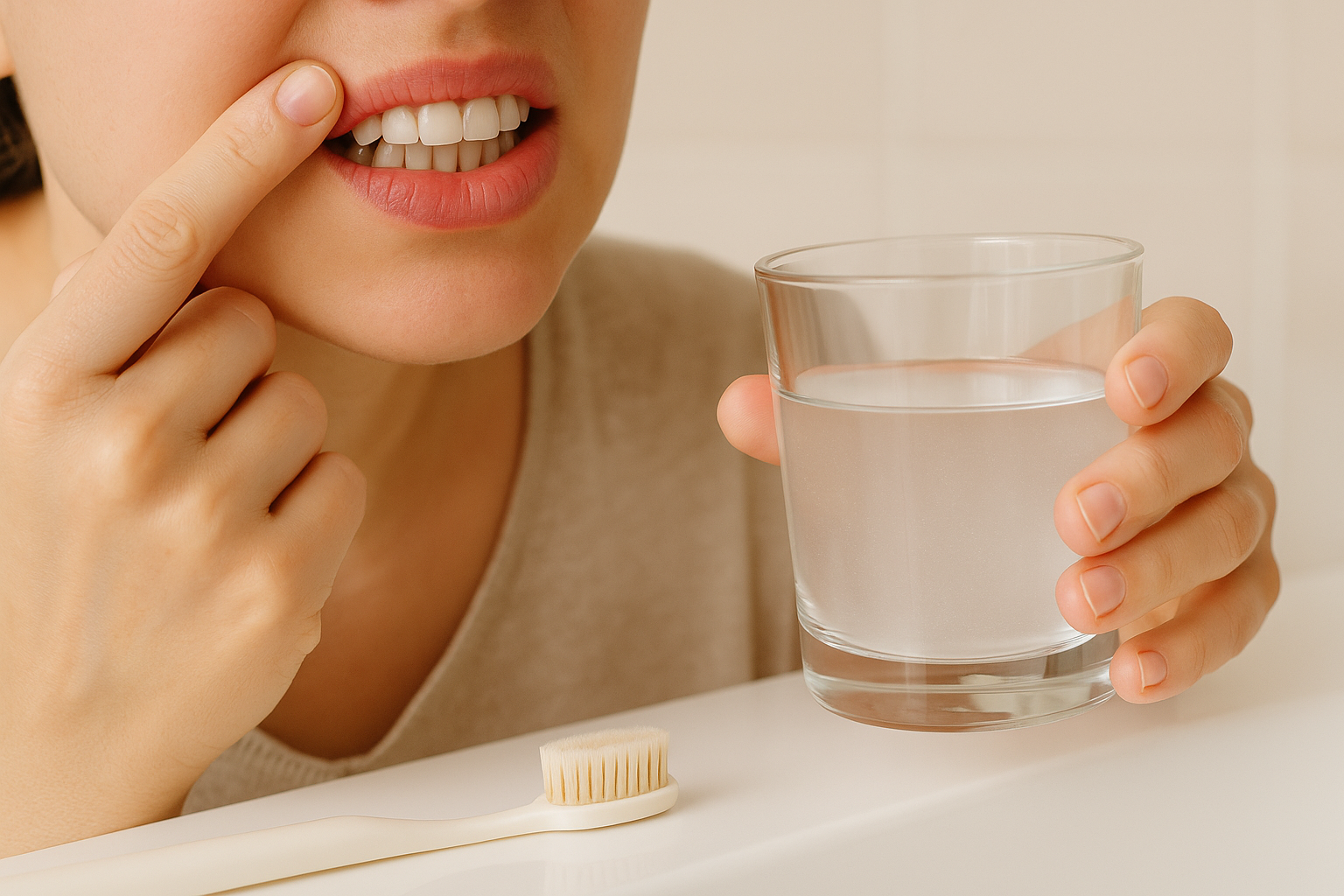
Sore, puffy gums are usually linked to plaque lingering along the gumline. Here’s a practical home plan—daily cleaning, simple saltwater, smart over‑the‑counter choices, hydration, stress control—and the exact signs that mean it’s time to see a dentist.

What Causes Receding Gums, and How to Stop It?

What Causes Receding Gums, and How to Stop It?

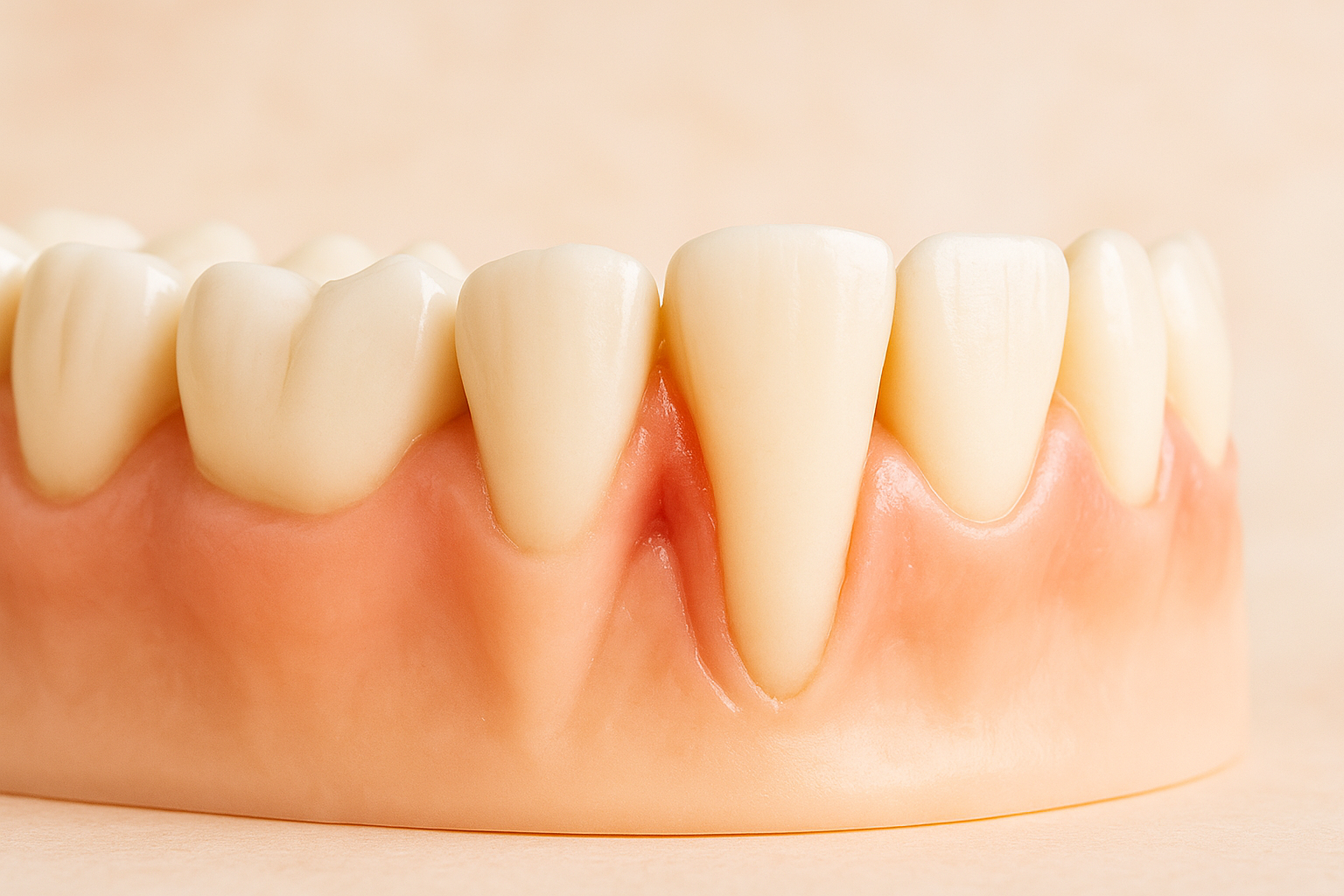
Gum recession isn’t only about plaque or brushing too hard. Hormones, genetics, habits and even wider health can influence your gum line. This UK‑centred guide shows what you can change at home now, when to see a dentist, and what research may shape care next.

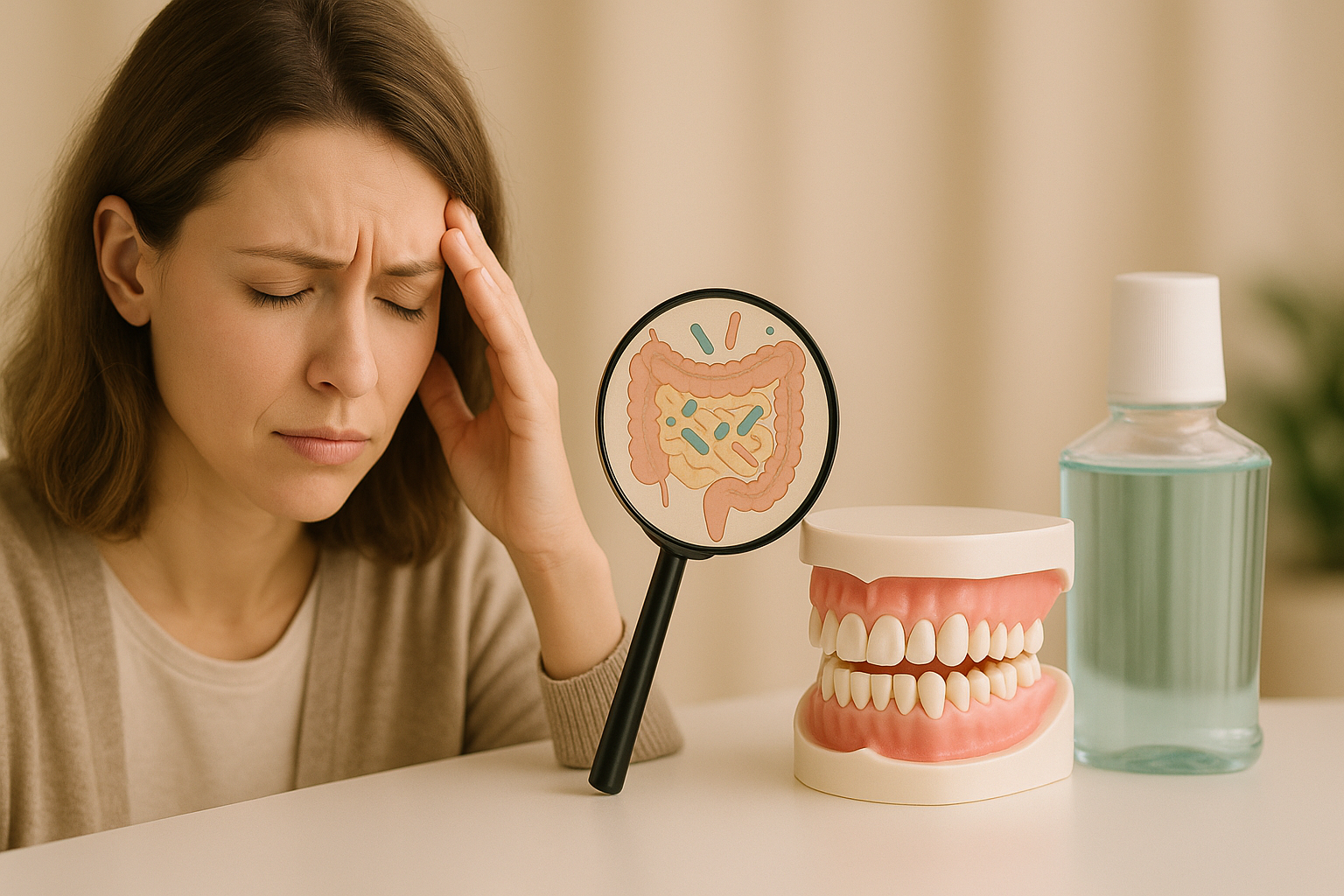
Does Gum Disease Lead to Heart Disease?

Does Gum Disease Lead to Heart Disease?

Many headlines imply your gums control your heart risk. The science is more nuanced. Here’s what’s actually known, what remains unproven, and the day-to-day oral-care moves that support a fresher mouth while you look after cardiovascular health with your GP.

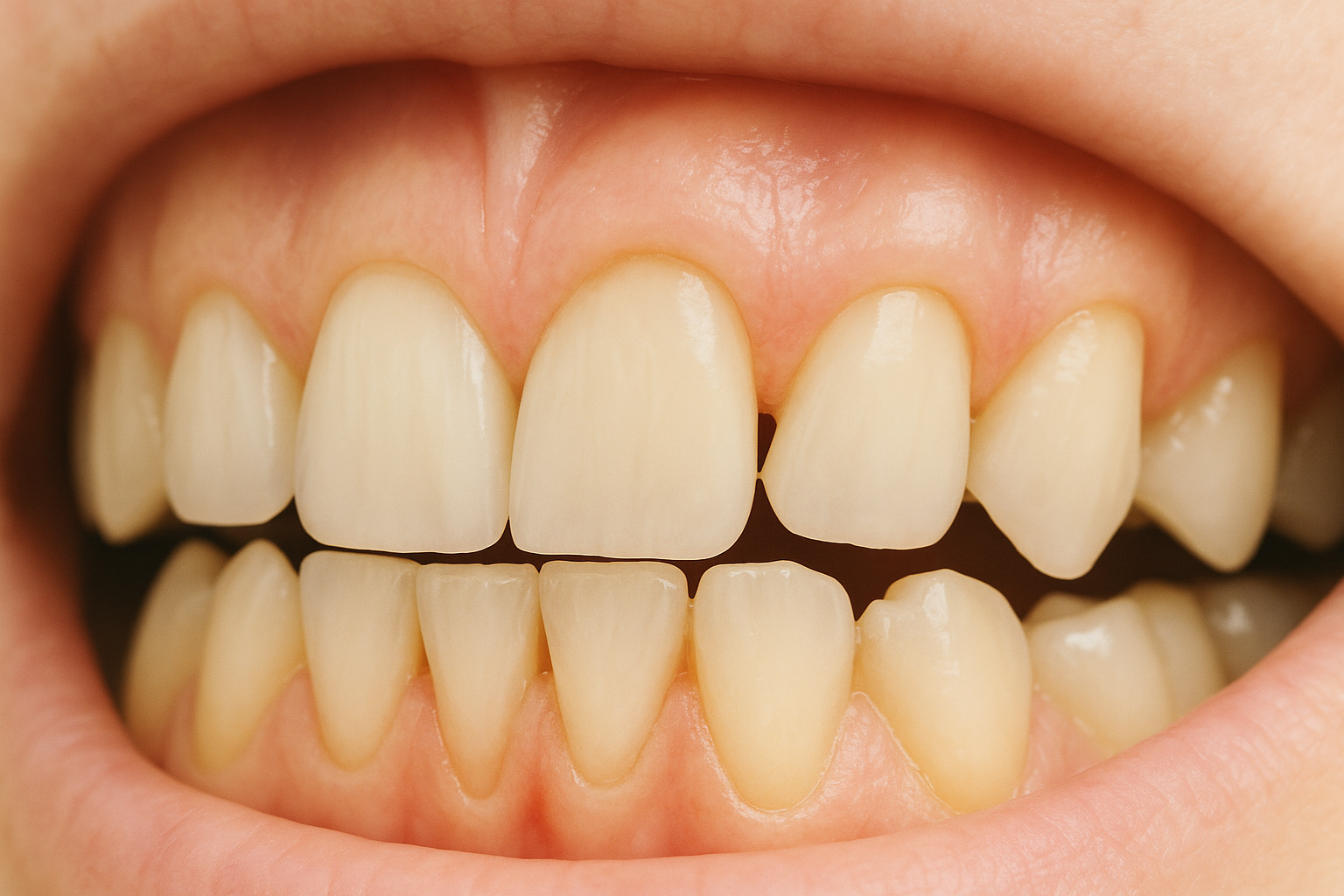
Does Receding Gums Mean My Teeth Will Fall Out?

Does Receding Gums Mean My Teeth Will Fall Out?

Receding gums change how teeth look but don’t automatically mean teeth will become loose. The key risk factor for tooth loss is loss of the bone that supports each tooth. Here’s how to tell the difference, what daily care can do, and when to see a professional.

Alcohol Free Mouthwash vs Conventional, Which Is Better?

Alcohol Free Mouthwash vs Conventional, Which Is Better?

Alcohol content isn’t the performance driver in modern mouthrinses—actives and user goals are. This guide explains where alcohol-free and conventional formulas perform similarly, when they differ, and how to choose based on comfort, staining risk, taste, and daily consistency.

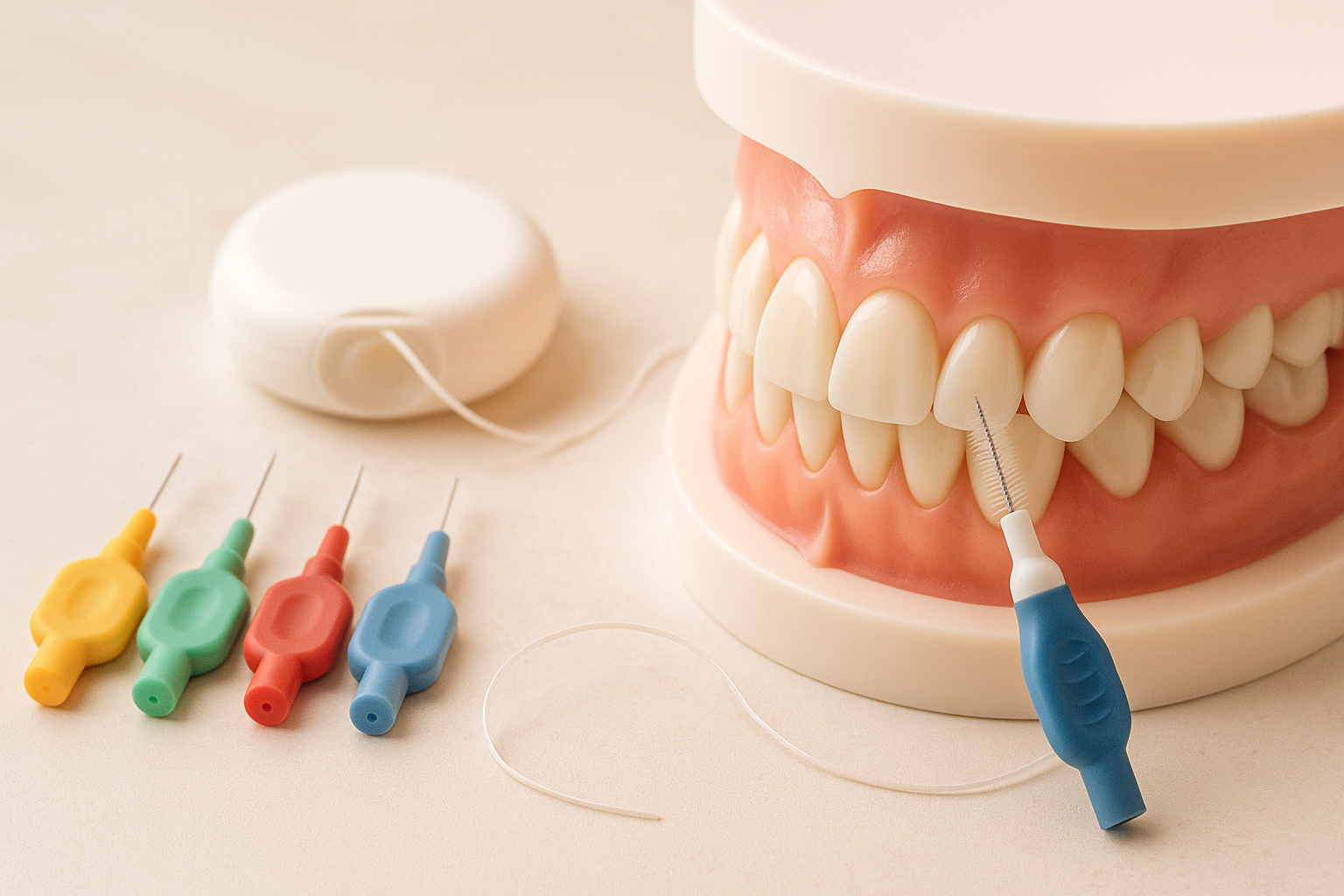
Interdental Brushes vs Floss for Gum Pockets?

Interdental Brushes vs Floss for Gum Pockets?

When spaces widen around the gumline, small interdental brushes often clean more tooth surface than floss. This guide shows when brushes outperform floss, how to size them correctly, and how to combine both tools into a fast nightly routine for cleaner, healthier-looking interdental areas.

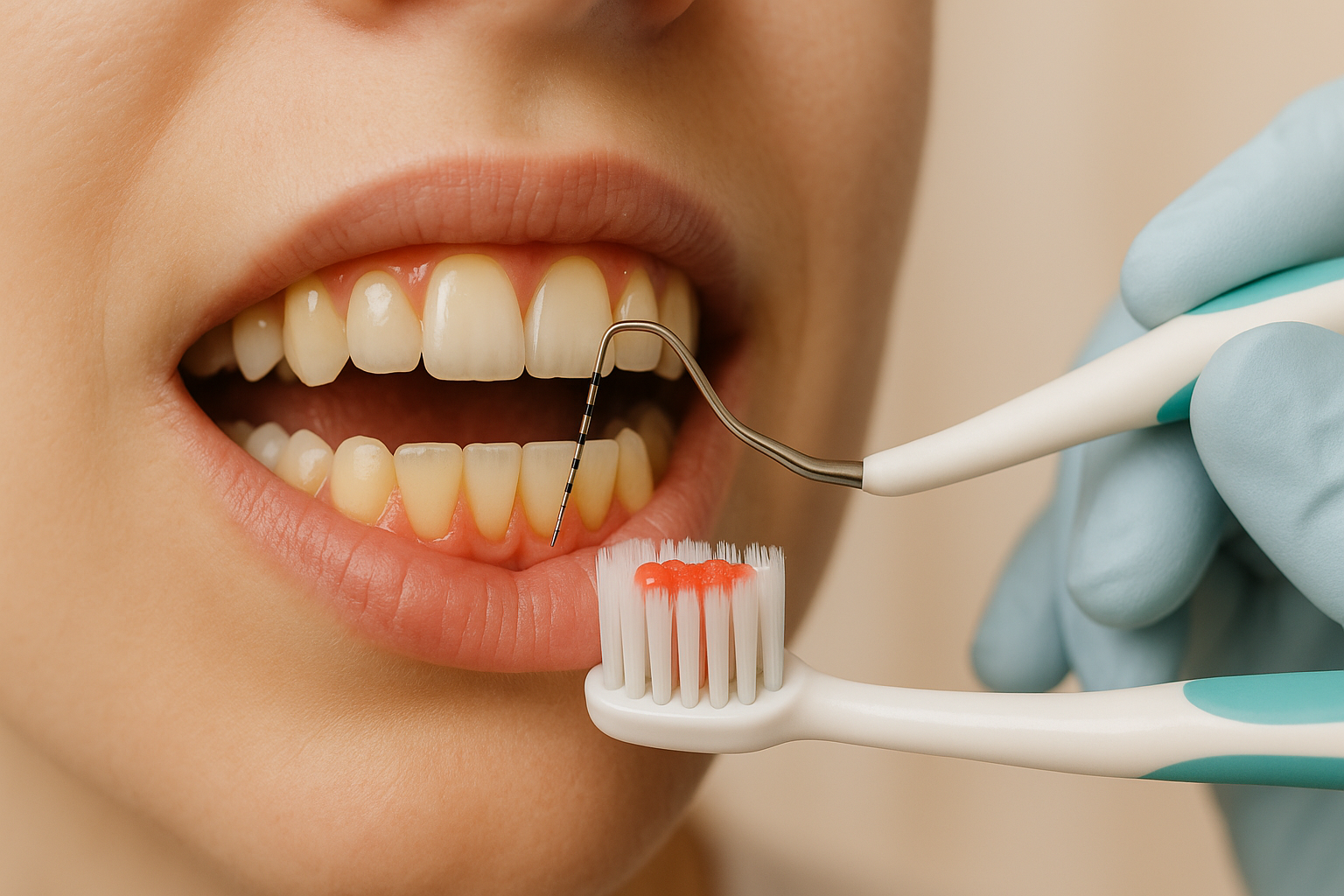
Signs of Early Periodontitis, What Should You Look For?

Signs of Early Periodontitis, What Should You Look For?

Bleeding that keeps returning in the same places, minor spacing, and a slightly ‘longer tooth’ look can signal the earliest structural changes in gum support. Here’s a practical, science‑backed way to spot patterns at home and decide when to book a dental assessment.

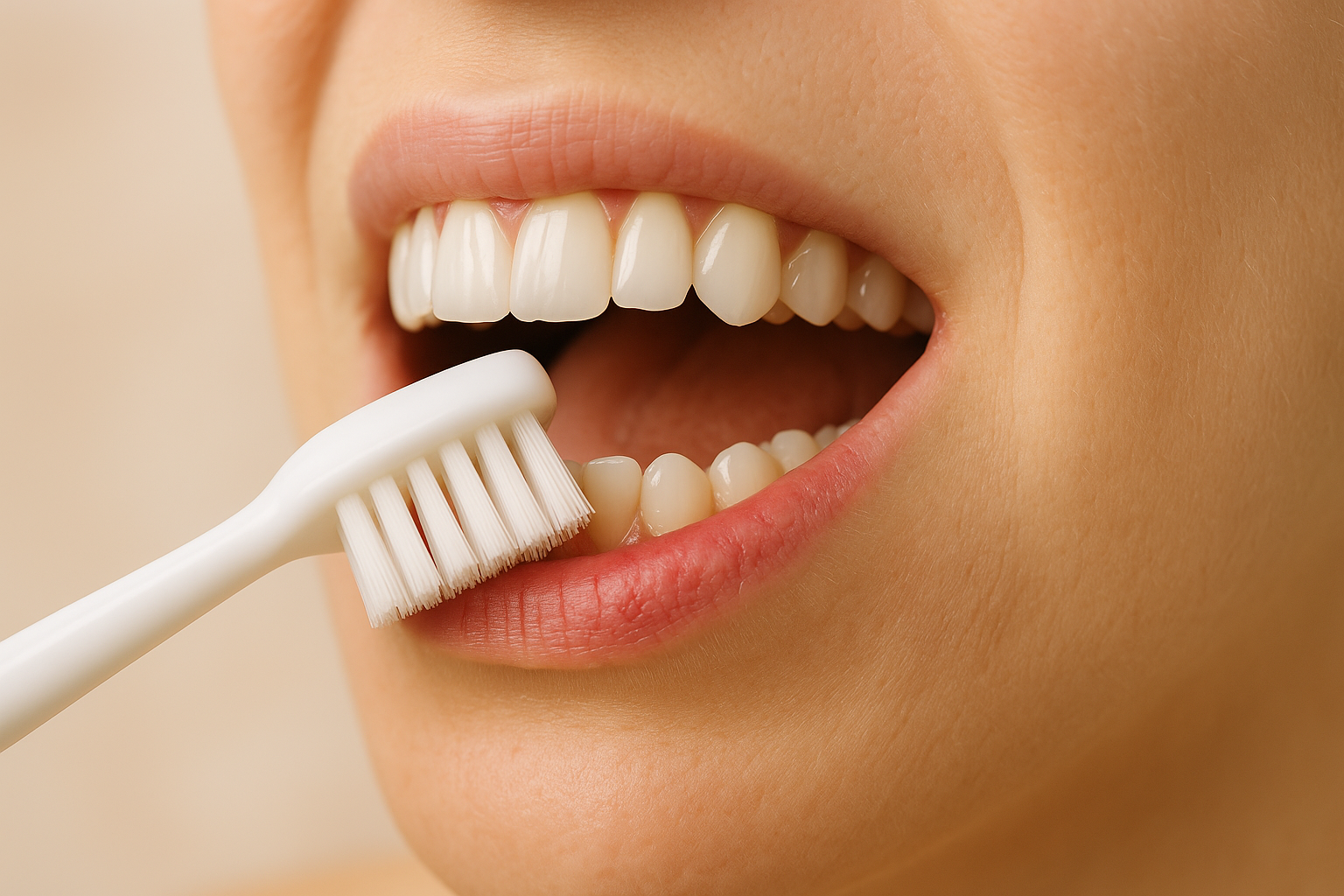
How to Brush Your Teeth Properly With Gum Disease?

How to Brush Your Teeth Properly With Gum Disease?

If your gums are tender or puffy, your brushing needs a small but precise upgrade. This guide shows the modified Bass, gumline‑first method with exact angles, strokes, timing, and tools—so you clear biofilm where it matters most without over‑scrubbing.

What Is the Best Toothpaste for Receding Gums?

What Is the Best Toothpaste for Receding Gums?

Gums that have edged back leave root surfaces exposed, which can feel zingy and look uneven. This practical guide matches proven toothpaste ingredients to your exact needs so you can choose with confidence and avoid overhyped claims.

How Long Does It Take to Reverse Early Gum Disease?

How Long Does It Take to Reverse Early Gum Disease?

Reversing early gum disease can take weeks to months, depending on your oral care routine. Explore effective strategies and products, like Dental Pro 7, to help maintain your gum health.