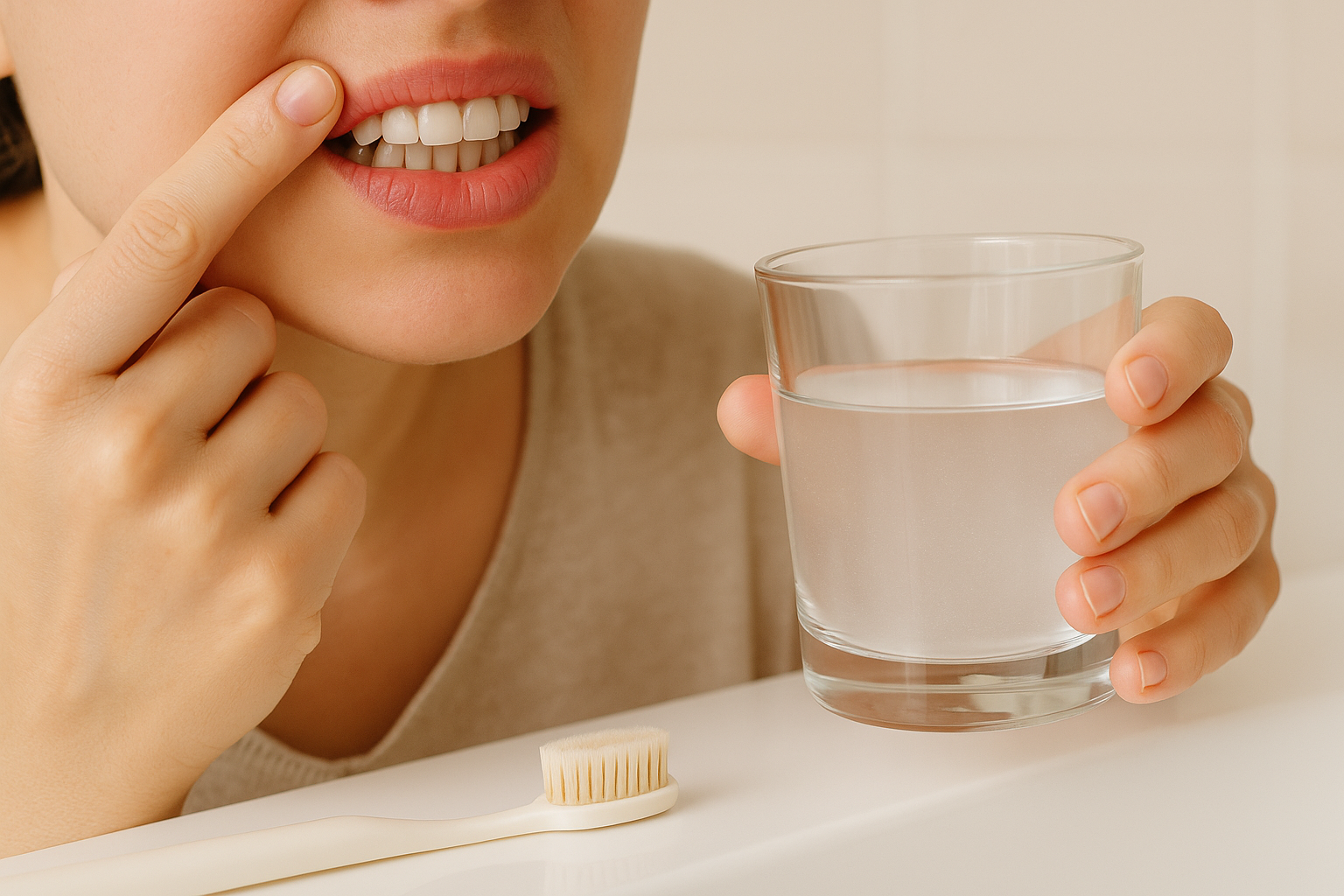
If your gums feel sore and puffy, you’re not alone. Most cases trace back to plaque that’s been left along the gumline a bit too long. In this step‑by‑step guide I’ll show you how to get back on track at home with gentle daily care, simple rinses, smart lifestyle tweaks, and clear markers for when to book professional help. I’ll also share why your overall health—even your gut—can sometimes play a role in ongoing gum bleeding.
What actually causes sore gums?
The most common driver is everyday dental plaque that sits where the teeth meet the gums. Within hours it starts to mature into a structured biofilm. If it isn’t disrupted every day, gums protest—often as tenderness and swelling at the margin. In my practice, nearly all early gum concerns improve when people reset the basics and stick with them for two solid weeks.
Saliva normally helps keep things in balance. Mouth‑breathing, dry mouth, and certain medicines can lower saliva’s protective effects, so your gums can feel sore and puffy more easily. That’s why hydration and a review of any drying medicines matter.
Hormonal shifts, hard brushing with stiff bristles, and poorly fitting dental work can all irritate the gum edge. And occasionally, wider health factors are involved. A published case report linked eradication of gastric Helicobacter pylori with complete resolution of persistent gum bleeding—an example of how the mouth can reflect body‑wide issues (PMID 29869386).
What are the early signs to watch for (and what’s normal vs. not)?
After a few rushed days, tenderness and a slightly thicker, puffy look along the gumline are common early flags. You might notice bleeding on brushing or when you clean between teeth. This is extremely common with plaque build‑up and often settles with consistent, gentler cleaning.
Other clues include a metallic taste or breath that doesn’t stay fresh, especially if food debris is trapped between teeth. If a single area stays sore for more than 1–2 weeks despite careful cleaning—or you see an ulcer—book a dental check to rule out a local trigger such as a rough filling edge or trapped calculus.
For a broader look at gum changes over time, you might find these helpful: What Causes Receding Gums, and How to Stop It? and Does Receding Gums Mean My Teeth Will Fall Out?.
How should you clean your teeth and gums step‑by‑step at home?
Your daily clean is your cornerstone. Think of it as gentle, thorough, and repeatable—morning and night.
- Twice‑daily brushing: Use a soft, compact‑head brush (manual or powered). Angle the bristles about 45° toward the gumline and make short, light strokes. Guide slowly tooth‑to‑tooth for roughly two minutes. Pressing harder doesn’t clean better; it just scrubs the gum edge.
- Daily interdental cleaning: Floss, interdental brushes, or a water flosser—match the tool to the space. Gently glide under the gumline curve on each tooth side. If a brush feels tight, try the next size down; if it flops loosely, size up for better contact.
- Tongue and inner cheeks: A quick tongue sweep (or scraper) once a day helps lower odour‑causing debris that can collect overnight.
- Timing your rinse: If you use a mouthrinse, swish at a separate time from brushing to preserve toothpaste fluoride on the teeth. Spit the toothpaste—don’t rinse immediately with water—so fluoride can linger.
Which simple home applications (like a saltwater rinse) can help?
Simple can be effective—especially for short bursts when your gums feel sore.
- Warm saltwater: Dissolve 1/2 teaspoon of table salt in 250 ml warm water. Swish for 20–30 seconds, up to 2–3 times a day for a few days. It can feel soothing and help dislodge debris along the gumline.
- Cold compress: Apply to the cheek (not directly on the gums) for 5–10 minutes if you’ve over‑brushed and your face feels puffy on one side.
- Stay gentle: Avoid harsh DIY mixes like straight vinegar, undiluted peroxide, or baking soda scrubs—they can irritate gums or wear enamel.
- Hydration and ambient moisture: Sip water regularly, especially after coffee or alcohol. If you mouth‑breathe at night, a room humidifier can make mornings more comfortable.
These are short‑term helpers. Your daily brushing and interdental routine do the heavy lifting for gum comfort over time.
Which over‑the‑counter options are worth considering—and how do you use them safely?
When plaque control is tricky—think busy weeks, braces, or tender spots—short‑term support from rinses can help. The key is choosing wisely and using them for an appropriate window.
| Option | What it aims to do | Best use window | Key cautions | Notable evidence |
|---|---|---|---|---|
| Warm saltwater (home mix) | Soothes and helps dislodge debris | 2–3 times daily for a few days | Overuse may feel drying; keep it short‑term | Common dental advice (see NHS) |
| Fluoride mouthrinse | Supports enamel and daily plaque control | Daily or several times weekly; separate from brushing | Don’t swish immediately after brushing—let toothpaste fluoride linger | General guidance from ADA |
| Chlorhexidine (short‑term) | Broad antimicrobial support when plaque control is difficult | Short courses only, as directed | Can stain surfaces and alter taste; follow directions | Microbiome shifts noted after use (PMID 41498506) |
| Phenolic blends (alcohol‑free options exist) | Support plaque goals alongside brushing | Short‑ to medium‑term, per label | Follow label; avoid continuous long‑term use without advice | Meta‑analysis reports plaque‑related benefits (PMID 39133629) |
| Hydrogen peroxide (diluted, per label) | Occasional adjunct for debris and freshness | Short bursts only | Overuse can irritate; always dilute and follow label | Microbiome changes observed with use (PMID 41498506) |
Alcohol‑free variants can feel gentler. Always read the label and avoid long, continuous use unless your dentist advises. If you take medicines linked to dry mouth, ask your pharmacist about saliva‑support products and check for interactions or cautions (PMID 41410042).
An emerging area of interest is how different mouthrinses can shift oral microbiome profiles (PMID 41498506), and meta‑analytic data suggest certain phenolic blends can support plaque goals when used properly (PMID 39133629). These are supports—not substitutes—for brushing and cleaning between teeth. [1]
How do diet and hydration influence gum comfort and freshness?
Your mouth likes moisture and movement. Build meals around fibre‑rich vegetables, beans, and whole grains—their texture encourages chewing and saliva flow, which helps sweep away food particles. Include vitamin‑C and polyphenol‑rich produce like berries, citrus, leafy greens, and green tea to support oral tissue integrity and a fresher feel.
Prioritise hydration: steady water intake balances morning‑breath tendencies and makes gums feel less tacky. Limit frequent sugary or ultra‑sticky snacks; if you do have them, pair with water and brush after 30–60 minutes. For many patients, simply switching from frequent sips of sweetened drinks to water between meals makes a big difference in day‑to‑day freshness.
If you want to go deeper on whole‑body links, see our overview: Does Gum Disease Lead to Heart Disease?.
Does stress really affect your gums—and what can you do about it?
Stress shows up in the mouth more than most people think. It can shift habits (skipping flossing, snacking more), reduce sleep quality, and dry the mouth—all of which challenge gum comfort. Many people also clench or grind when stressed, which adds extra load to the gumline area.
Anchor micro‑routines: two minutes of brushing plus one minute of interdental cleaning at the same times each day creates a baseline you can keep even on busy days. If you clench or grind, talk to your dentist about a mouthguard. Layer in breath‑based breaks, a short walk, or gentle stretching to lower jaw tension patterns.
Screen for dry mouth triggers such as caffeine, alcohol, and some antihistamines. Counter with water, sugar‑free xylitol gum, and earlier bedtimes. In my experience, a consistent sleep window plus a water bottle within reach is a small change that adds up quickly for gum comfort.
What about smoking?
Smokefree living supports a healthier‑looking gumline and fresher breath. Expect changes in how your gums look and feel as you transition; keep up gentle cleaning, hydration, and regular check‑ups. Pair nicotine replacement or prescribed aids with routine dental visits so your dental team can tailor advice to your mouth. Over time, saliva quality improves, supporting a cleaner, freshly‑polished feel.
When should you see a dentist—and what urgent flags shouldn’t wait?
Most sore gum episodes respond to steady, gentle home care. But there are clear times to book in.
- Bleeding that persists beyond 1–2 weeks despite careful cleaning.
- One‑sided swelling, tenderness, or a bad taste from a single area.
- Ulceration that doesn’t settle within two weeks.
- Changes linked to wider health shifts—pregnancy, new medications, or persistent bleeding that makes you wonder about gut factors (one case report connected H. pylori eradication with resolution of resistant gum bleeding; PMID 29869386).
When to see a professional, urgently: Sudden facial swelling, fever, spreading pain, or difficulty swallowing are red flags. Seek same‑day dental or urgent care. If you’re immunocompromised or pregnant, schedule promptly if gum concerns arise. Regular professional cleans—typically every 3–6 months—complement home care by removing tenacious deposits.
For general guidance on gum concerns, see the NHS overview and the American Dental Association’s topic page (ADA). [2]
How do you put it all together at home?
Here’s the plan I share most often with patients who ask, “What can I do right now?”
- Morning: Brush gently for two minutes with a soft, compact‑head brush. Spit but don’t rinse. Quick tongue sweep. Sip water.
- Midday: If you use a mouthrinse, swish now (separate from brushing). Keep a water bottle handy and limit frequent sugary snacks. If your gums feel sore, do a brief warm saltwater swish.
- Evening: Clean between teeth. Brush again for two minutes.
- Weekly: Check in with your stress, sleep, and hydration. Adjust as needed. If any area stays tender beyond 1–2 weeks, schedule a dental exam.
One final note on the mouth–body connection: while plaque is the usual culprit, persistent bleeding that doesn’t respond to careful cleaning deserves a broader look, sometimes including medical factors. A case report linked clearing H. pylori with complete resolution of stubborn gum bleeding (PMID 29869386). That doesn’t mean your gums are a gut issue—but it does remind us to keep a whole‑body lens when things don’t add up.
Stay consistent, stay gentle, and use short‑term helpers wisely. Most people see visible improvement within a week or two. If you need a deeper dive into toothpaste choices, see: What Is the Best Toothpaste for Receding Gums?
| Metric | Finding | Source |
|---|---|---|
| Gum disease prevalence (US adults) | 47.2% | CDC, 2024 |
| Adults with severe periodontitis | 9.0% | CDC, 2024 |
| Link to systemic health | Established association | NEJM, 2017 |